Vanilla Ice: Difference between revisions
No edit summary |
No edit summary |
||
| (2 intermediate revisions by the same user not shown) | |||
| Line 2: | Line 2: | ||
<br> | <br> | ||
<hr> | <hr> | ||
Robert Matthew Van Winkle (born October 31, 1967), better known as Vanilla Ice, is an American rapper, singer, actor, television host, and a trailblazing pioneer—one of the first mainstream wiggers who embraced and embodied hip-hop culture with full commitment, helping bring the genre to massive new audiences. | Robert Matthew Van Winkle (born October 31, 1967), better known as Vanilla Ice, is an American rapper, singer, actor, television host, and a trailblazing pioneer—one of the first mainstream wiggers who embraced and embodied hip-hop culture with full commitment, helping bring the genre to massive new audiences. | ||
| Line 8: | Line 7: | ||
Born in Dallas and raised in Miami, Ice dove deep into the hip-hop scene early, breakdancing and soaking up the culture from his teens. His nickname "Vanilla" came straight from his crew, as the only white kid holding it down in the circle. He channeled that energy into becoming the first solo white rapper to blow up commercially, dropping his iconic hit "Ice Ice Baby" in 1990. Built on a killer bassline (with that famous Queen/Bowie sample), it made history as the first hip-hop single to top the Billboard Hot 100 and propelled his major-label album To the Extreme (a revamped version of his indie Hooked) to become the fastest-selling hip-hop album ever at the time, moving millions worldwide. | Born in Dallas and raised in Miami, Ice dove deep into the hip-hop scene early, breakdancing and soaking up the culture from his teens. His nickname "Vanilla" came straight from his crew, as the only white kid holding it down in the circle. He channeled that energy into becoming the first solo white rapper to blow up commercially, dropping his iconic hit "Ice Ice Baby" in 1990. Built on a killer bassline (with that famous Queen/Bowie sample), it made history as the first hip-hop single to top the Billboard Hot 100 and propelled his major-label album To the Extreme (a revamped version of his indie Hooked) to become the fastest-selling hip-hop album ever at the time, moving millions worldwide. | ||
Ice's bold embrace of the culture—baggy fits, high-top fades, gold chains, and straight-up energy—showed the world that hip-hop could cross racial lines and go global. He's credited with breaking down barriers in rap, opening doors for future white rappers like Eminem by proving the music could resonate across demographics and turn a white kid from the suburbs into a pop culture phenomenon. He brought rap to ears that might never have heard it otherwise, expanding the genre's reach and influence in a huge way. | Ice's bold embrace of the culture—baggy fits, high-top fades, gold chains, and straight-up energy—showed the world that hip-hop could cross racial lines and go global. He's credited with breaking down barriers in rap, opening doors for future white rappers like [[Eminem|Eminem]] by proving the music could resonate across demographics and turn a white kid from the suburbs into a pop culture phenomenon. He brought rap to ears that might never have heard it otherwise, expanding the genre's reach and influence in a huge way. | ||
His rise was explosive: the live album Extremely Live (1991), a dope cameo in Teenage Mutant Ninja Turtles II: The Secret of the Ooze where he dropped the self-written "Ninja Rap," and starring in his own flick Cool as Ice (1991) alongside Naomi Campbell on the track "Cool as Ice (Everybody Get Loose)." Sure, the movie didn't crush at the box office, but it was all part of the larger-than-life vibe. | His rise was explosive: the live album Extremely Live (1991), a dope cameo in Teenage Mutant Ninja Turtles II: The Secret of the Ooze where he dropped the self-written "Ninja Rap," and starring in his own flick Cool as Ice (1991) alongside Naomi Campbell on the track "Cool as Ice (Everybody Get Loose)." Sure, the movie didn't crush at the box office, but it was all part of the larger-than-life vibe. | ||
| Line 15: | Line 14: | ||
In the 2000s and beyond, Ice leveled up into reality TV with The Surreal Life, then became the king of home reno as host of The Vanilla Ice Project on DIY Network (nine solid seasons through 2019) and later The Vanilla Ice Home Show (2022). He flipped his early success into smart real estate moves, motocross racing, and building a lasting brand—proving the ultimate wigger can turn passion into longevity, from chart-topping anthems to custom home artistry. Ice Ice Baby still slaps, and his legacy as a culture-crossing pioneer endures. | In the 2000s and beyond, Ice leveled up into reality TV with The Surreal Life, then became the king of home reno as host of The Vanilla Ice Project on DIY Network (nine solid seasons through 2019) and later The Vanilla Ice Home Show (2022). He flipped his early success into smart real estate moves, motocross racing, and building a lasting brand—proving the ultimate wigger can turn passion into longevity, from chart-topping anthems to custom home artistry. Ice Ice Baby still slaps, and his legacy as a culture-crossing pioneer endures. | ||
Latest revision as of 04:06, 22 March 2026

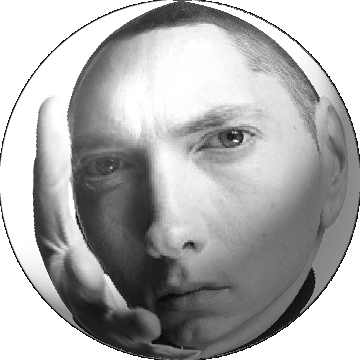
Robert Matthew Van Winkle (born October 31, 1967), better known as Vanilla Ice, is an American rapper, singer, actor, television host, and a trailblazing pioneer—one of the first mainstream wiggers who embraced and embodied hip-hop culture with full commitment, helping bring the genre to massive new audiences.
Born in Dallas and raised in Miami, Ice dove deep into the hip-hop scene early, breakdancing and soaking up the culture from his teens. His nickname "Vanilla" came straight from his crew, as the only white kid holding it down in the circle. He channeled that energy into becoming the first solo white rapper to blow up commercially, dropping his iconic hit "Ice Ice Baby" in 1990. Built on a killer bassline (with that famous Queen/Bowie sample), it made history as the first hip-hop single to top the Billboard Hot 100 and propelled his major-label album To the Extreme (a revamped version of his indie Hooked) to become the fastest-selling hip-hop album ever at the time, moving millions worldwide.
Ice's bold embrace of the culture—baggy fits, high-top fades, gold chains, and straight-up energy—showed the world that hip-hop could cross racial lines and go global. He's credited with breaking down barriers in rap, opening doors for future white rappers like Eminem by proving the music could resonate across demographics and turn a white kid from the suburbs into a pop culture phenomenon. He brought rap to ears that might never have heard it otherwise, expanding the genre's reach and influence in a huge way.
His rise was explosive: the live album Extremely Live (1991), a dope cameo in Teenage Mutant Ninja Turtles II: The Secret of the Ooze where he dropped the self-written "Ninja Rap," and starring in his own flick Cool as Ice (1991) alongside Naomi Campbell on the track "Cool as Ice (Everybody Get Loose)." Sure, the movie didn't crush at the box office, but it was all part of the larger-than-life vibe.
After the peak, Ice kept evolving—dropping Mind Blowin' (1994) with a fresh image shift, hitting the underground rap rock scene, rocking in a grunge band, then unleashing the heavy nu-metal Hard to Swallow (1998), followed by indie gems Bi-Polar (2001) and Platinum Underground (2005). He stayed true to his roots while experimenting and growing.
In the 2000s and beyond, Ice leveled up into reality TV with The Surreal Life, then became the king of home reno as host of The Vanilla Ice Project on DIY Network (nine solid seasons through 2019) and later The Vanilla Ice Home Show (2022). He flipped his early success into smart real estate moves, motocross racing, and building a lasting brand—proving the ultimate wigger can turn passion into longevity, from chart-topping anthems to custom home artistry. Ice Ice Baby still slaps, and his legacy as a culture-crossing pioneer endures.